The most successful sales people always assume the prospect not only understands the ‘problem’ they need solving, but also understands the sales person is the right person to ask.
When you start with that proposition in your head, you automatically become the guide. And when you’re the guide, well, people tend to follow.
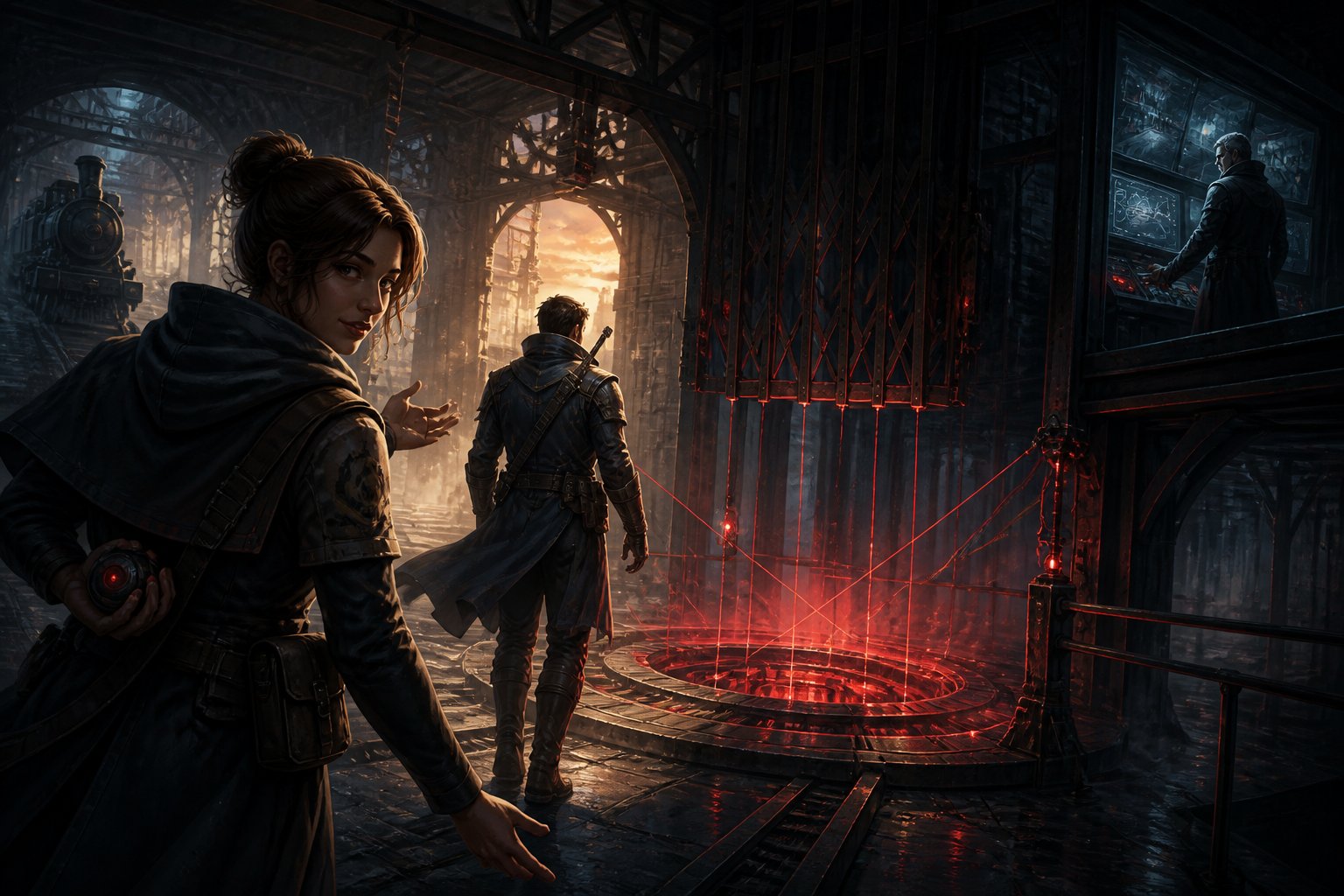
So what has this got to do with fiction writing? Imagine an evil villain trying to lead their victim down a certain path to destruction. They’re never going to let their victim know, and they are savvy enough to know their victim is going to pick up the obvious the second they realise they’re being led.
So our villain has to be subtle. They have to assume/presume that the hero wants them dead (or at least locked up behind bars), so with that assumption in mind, they leave clues as to where they can be found.
And guess what! Those clues lead our poor and bewildered hero right into the path of extreme danger and possible instant death.
How do they do that? They use a proxy – someone the hero trusts. But getting that proxy to do their evil bidding is also a challenge (if the proxy is trusted by the hero, then the proxy is probably not going to do what the villain wants).
The first solution to this I can think of is blackmail. They need a hold over the proxy. Something strong enough that the proxy dare not let the hero know it’s a trap.
But that’s not nearly good enough. The risk of the proxy turning ‘traitor’ is too much to gamble with, so they need a better way. A way that leaves the proxy entirely in the dark. And one way to do that is to use another proxy, a fictitious one will do.
That might be a text from a stranger. A flyer through the door. A message on some noticeboard the villain knows they read regularly. Whatever the messenger is, it must convince the proxy it’s real. That way the proxy will feel duty bound to report the ‘truth’ to the hero, and the villain’s trap is set.
You can see how deep this rabbit hole could get with a little imagination. It’s perfect for a thriller or mystery novel. And the best bit is that hero knows nothing and the villain has control. This sets up the possibility of a good inciting incident as well as a major turning point when the hero is sucked into the villain’s evil plans.
We’d mark these events out in ClearARC (the writing app) using the ‘attachment’ tool. That way we can clearly see the changes in the timeline, ensuring our book maintains a strong flow from beginning to end.
BONUS TIP: If the attachment can not easily be added to a character or place, then add an item instead and attach it to that. Items don’t have to be concrete, they can simply be labels or placemarkers (as in this case).
EXTRA BONUS TIP: You can add attachments to any story elements, but always use a finer grade if it makes sense to do so, that way you can make the timeline very granular. For example, major markers such as the inciting incident can be attached to a chapter, but if you know it happens in scene 2, event 5, then attach it to that instead and you’ll know the exact point it happens.